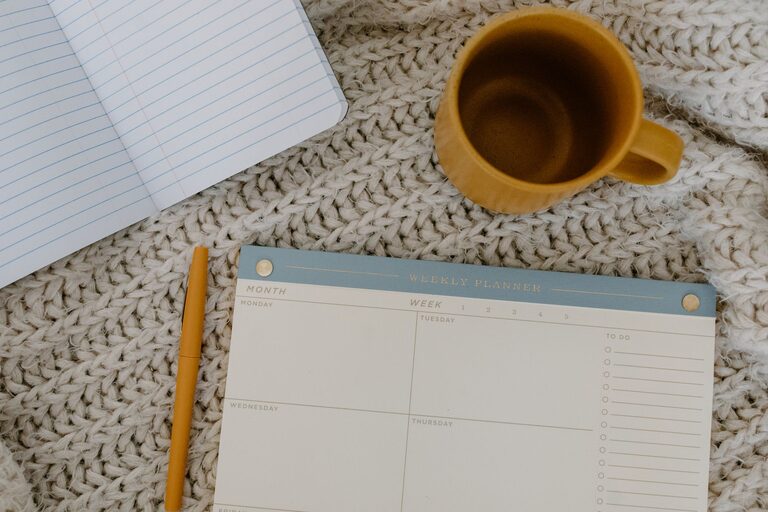
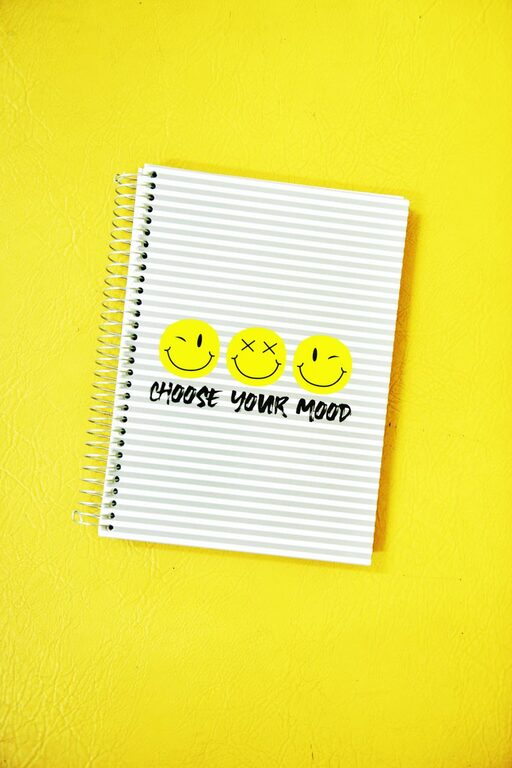
Choosing a notebook might seem like a simple task, but picking the right one can make a big difference in how often and how effectively you use it. Whether you want a notebook for journaling, work meetings, school notes, or creative writing, the right notebook should match your style and needs. In this post, we’ll explore tips and factors to consider so you end up with a notebook you actually enjoy using.
Why Choosing the Right Notebook Matters
Having a notebook that fits your preferences encourages regular use. When a notebook feels good in your hands and suits your lifestyle, you’re more likely to keep writing, organizing, or planning. On the other hand, a notebook that’s too bulky, poorly designed, or not suited to your purpose might stay closed on the shelf.
Consider Your Purpose
Before you browse options, think about how you plan to use the notebook. Here are some common purposes and what to look for in each case:
1. Note-taking for Work or School
– Size: A medium-sized notebook (around A5) is often portable yet spacious enough for detailed notes.
– Paper quality: Choose notebooks with smooth paper that prevents ink bleed-through if you use pens or markers.
– Layout: Lines or dotted pages can help keep your writing neat; grids work well for diagrams.
2. Creative Writing or Journaling
– Cover: A durable, attractive cover can make journaling feel more special.
– Paper color: Some prefer cream or off-white paper for a softer look.
– Binding: Lay-flat bindings make writing across pages easier.
3. Planning and Organizing
– Pre-printed layouts: Some notebooks come with calendars, to-do lists, or habit trackers.
– Section dividers: Helpful if you want to divide your notes into categories.
– Size and weight: Consider how portable you need it to be since planners often get carried daily.
Key Features to Evaluate
When shopping, keep an eye on these important notebook features:
Size and Portability
Notebooks come in many sizes, from pocket-friendly to full letter-sized. Think about where you’ll use it most. If you’ll carry it in a bag or backpack, compact and lightweight notebooks are best. For desk use, bigger notebooks offer more space.
Paper Quality and Weight
Paper thickness is measured in GSM (grams per square meter). Thicker paper (higher GSM) reduces ink bleed but can add bulk. If you use fountain pens, markers, or watercolor pencils, prioritize thicker paper. For casual note-taking, standard paper usually works fine.
Binding Style
Common binding types include:
– Spiral: Allows notebooks to lay flat or fold back on themselves.
– Sewn: Durable and usually lays flat; pages won’t fall out easily.
– Glue-bound (perfect binding): Sleek look but may not lay flat well.
Page Layout and Color
Your writing style influences layout choice:
– Lined: For neat handwriting.
– Dot grid: Flexible for writing and sketches.
– Blank: Great for drawing or free-form notes.
Also, consider whether you prefer white, cream, or colored paper.
Cover Material and Durability
A sturdy cover protects your notes and can make carrying the notebook easier. Options include:
– Hardcover: Offers more protection but adds weight.
– Softcover: Lightweight and flexible.
– Leather or faux leather: Stylish and durable.
– Fabric: Unique textures but can wear over time.
Extras and Personal Preferences
Some notebooks include useful extras, such as:
– Built-in bookmarks or ribbons
– Elastic closures to keep the notebook closed
– Pockets for loose papers or stickers
– Numbered pages or indexes for easy reference
Tips for Testing a Notebook Before Buying
If possible, visit a store and test the notebook before purchasing:
– Write a few lines to see how the paper feels and how your pen performs
– Open the notebook fully to check if it lays flat
– Hold it to assess weight and comfort
– Look at the design to see if it inspires you
Making Your Notebook Work For You
Choosing the right notebook is the first step; using it regularly is the goal. Here are some ideas to maintain the habit:
– Set a time daily to write or plan in your notebook.
– Keep your notebook in a visible place as a reminder.
– Personalize your notebook with stickers, tabs, or doodles.
– Use different notebooks for different tasks to stay organized.
Final Thoughts
The perfect notebook is the one that fits your needs, feels good to use, and motivates you to write. By considering your purpose, paper quality, size, binding, and cover, you’ll find a notebook that not only looks great but also becomes a helpful tool in your daily life. Happy notebook hunting!